
Nine Steps to Battling Higher Gas Prices
Gas prices have skyrocketed by more than 50% since the end of February. The sharp increase has strained many household budgets. Below are the nine steps you can take to ease the pain.
1. Understand why prices are rising.
The risks to global energy supplies have increased as part of the U.S.-Israeli effort to stop Iran from developing nuclear weapons. The Iranians have responded by curtailing shipments of oil through the Strait of Hormuz and attacking energy infrastructure in neighboring countries. Oil prices are unlikely to keep rising at this pace, as the U.S. is an energy exporter. If prices stay high, the U.S. will produce more energy.
2. Understand the psychology of gas prices.
Gas price increases feel worse than other price increases. It is the only item you see the price of nearly every day, whether you buy it or not. Unless you track the price of bananas as a hobby (which would be kind of weird), you only experience price changes at the time of purchase—and usually with other items in your cart. Gasoline, which is almost always purchased “by itself,” is harder to cut than most expenditures (more on this later), and prices tend to spike up and float lower.
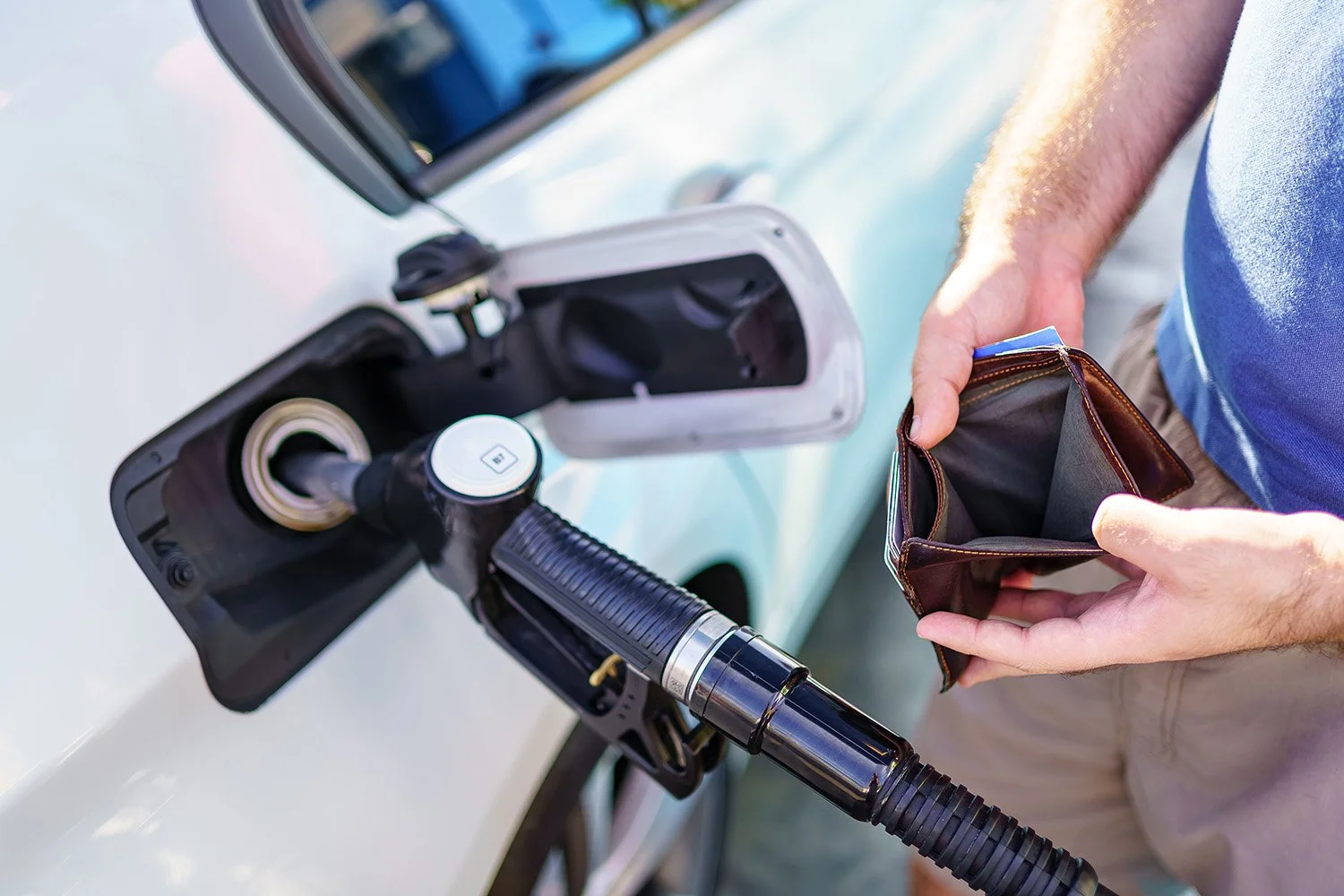
3. Calculate the true monthly cost.
Based on how many miles you drive, how many dollars per month have your gas expenditures increased? I mostly drive between work and home, stopping off at the gym. Many days, I drive less than five miles. It doesn't make a big dent in my budget.
4. Turn whining into shining.
I come from a family of gas price complainers who filled up their large pickups and then drove to the local coffee shop to complain about the high gas prices. Clearly, if they didn’t skip the drive to the coffee shop, it wasn’t all that material. The right response might be to help someone who is hurt by the price change. For instance, you could buy gasoline cards for the staff at church, donate gas cards to the benevolence fund at your church, or offer to pick up one of your coffee buddies on the way to the coffee shop. Use it as an opportunity to radiate Christ-like care and generosity.
5. Spend smarter.
Reduce the cost of gasoline through rewards programs or memberships at warehouse stores. Also, look for cheaper gasoline in other areas. The county to the east of Colorado Springs has gas prices $0.50 lower than in the city (although it takes a little more gas to get there and back). But don’t take this approach too far. My dad used to drive across the river to Iowa and fill up a barrel full of gasoline. He would store it in his garage. I’m just grateful the house never blew up.

6. Cut other parts of the budget.
If you’re still feeling the pressure to reduce expenses, cut other parts of the budget. In the short term, eating out less (including DoorDash and Uber Eats) is the easiest way to reduce discretionary spending.
7. Tap your emergency fund.
Tapping your emergency fund for small amounts can provide some short-term relief for your expenditures. If gas prices drop more than 20%, you should stop. If they fall more than 33%, start replenishing what you took out. Emergency funds need to be protected, so make sure you’ve done the first seven steps well before drawing from your reserves—and be intentional about replenishing your emergency fund after dipping into it.
8. Cut some trips.
Planning saves energy. Avoid making trips to the store for a single item. Plan your route strategically to run multiple errands in one trip—like picking up that gallon of milk after your dental appointment on your way home from work. Take advantage of work-from-home opportunities. Carpool with another family to get the kids to baseball practice. Get everyone ready for church early so you don’t end up driving two cars. If these don’t make enough of a difference, cut out or combine some discretionary trips.

9. Consider bigger changes.
If you have a long commute and own my uncle’s mint-condition 1998 Tahoe, you should think about trading it in. In the city, the auto company estimated its MPG was below ten, and that estimate was quite charitable. A hybrid or electric vehicle may be the right choice for the long term if gas prices remain higher for a while.
Many times, these price spikes fade away, as do our memories of them. Odds are, you won’t remember this in two years—so, don’t overreact. Make wise choices now so elevated prices don’t derail your long-term plans.
