
Elon Musk is the World’s First Trillionaire: 3 Things Christians Should Consider
Hear Scott further unpack this message on a recent blog.
Elon Musk, at least briefly, became the world’s first trillionaire when SpaceX went public earlier this month. Are you jealous, envious, amazed, horrified? The milestone raises questions of economic fairness, justice, and how we relate to money. It’s a complicated issue, and Musk is a controversial figure who attracts our attention. (I wrote another blog about him three years ago that focuses on lessons from his career.)
Here are three points Christians should consider when evaluating Musk’s wealth.
1. Christians often hyperfocus on wealth rather than achievement.
When some Christians see people getting wealthy, they instantly become critical. They think immediately of Jesus’s parable about the man who built barns, or of Zacchaeus, who grew wealthy by unjustly collecting Roman taxes. They see rich people as hoarders who grew rich unjustly. Musk, however, is neither a hoarder nor a wealth-taker. He is a creator, and his creations have benefited everyone. He grew rich by revolutionizing industries, where the incumbent providers were well entrenched. His wealth is a reward for taking on monumental challenges and winning:
Musk created a company that PayPal bought to help it compete against the payment powerhouses of Visa and Mastercard.
He founded Tesla, the first viable electric car company, reducing emissions and fuel costs.
He reinvigorated the US rocket industry.
He created an internet company that delivers superior speeds via satellite.
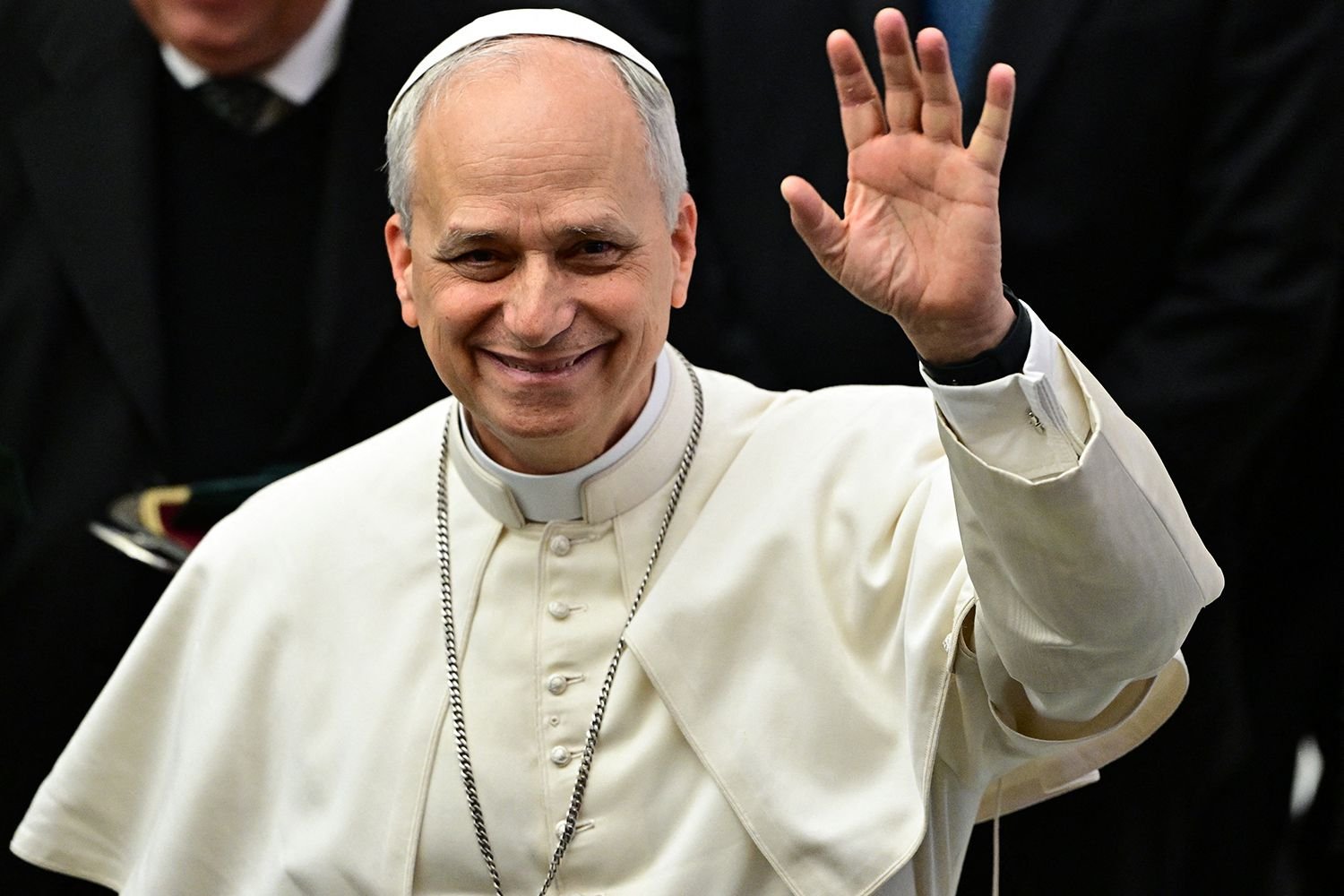
Pope Leo IV [i], in one of his first interviews, decried Musk’s pay package and the widening income gap between CEOs and workers. He objected to CEOs often earning 600 times what their workers earn, rather than the 4-6 times he remembered it being. When I saw this quote, my first thought was that the CEOs of a previous era were way underpaid. In an economy where the winners get a massive reward and non-winners don’t, investors rationally pay up for the best they can get.
2. Christians need to be reminded that wealth is not a measure of value to God.
Wealth worship is one of the idols of our age. In the same interview, Pope Leo rightly pointed out a trend in which the world equates a person’s true value with their financial value. God doesn’t see it this way. The story of the widow’s mite (Mark 12:41–44, Luke 21:1–4) shows that God values the heart more than the amount.
Musk will take the same amount of money that all of us take into eternity. When we get worshipful, envious, or critical of another’s financial wealth, we are sacrificing our kingdom perspective, regardless of which side we take.
The funny thing is, in the long run, the world doesn’t get so wrapped up in the accomplishments of wealth either. In 1990, the year I graduated from college, John Kluge was the wealthiest American. He owned local television stations. Do you remember him? My guess is no. The world moves on to the next rich person.

3. Christians should use this moment to look at their own stewardship burden.
How will Musk use his wealth? Kluge gave Columbia University a massive gift to support scholarships. Musk might well blow his entire fortune trying to colonize Mars. When you finish this blog, pray that he uses his fortune well.
And while you're praying, ask God how you're doing at stewarding the assets he has entrusted to you. Are you playing it too safe? Are you regularly giving, as the surest antidote to greed and envy? Are you listening to God when he asks you to help meet a ministry or charity’s financial need? Giving is about impact, but it’s also about discipleship. Your gift may not be as large as a gift from Musk, but the condition of your heart matters more.
