5 Pivotal Opportunities for the Church to Better Engage Emerging Generations
In recent years, a surprising and hopeful trend has emerged: Millennials and Gen Z—long considered the least religious generations—are returning to church. As Christianity Today reported in September 2025,
Churchgoers between the ages of 18 and 28 attend church more frequently than their older siblings, parents, or grandparents. A new study, part of the State of the Church research initiative from Barna Group and Gloo, found a post-pandemic surge among Gen Z churchgoers over the age of 18.
While the reasons vary, ranging from a search for meaning to a desire for community in an increasingly fragmented world, the implications and opportunities for the Church are profound.
Opportunity #1: Reimagining Hospitality
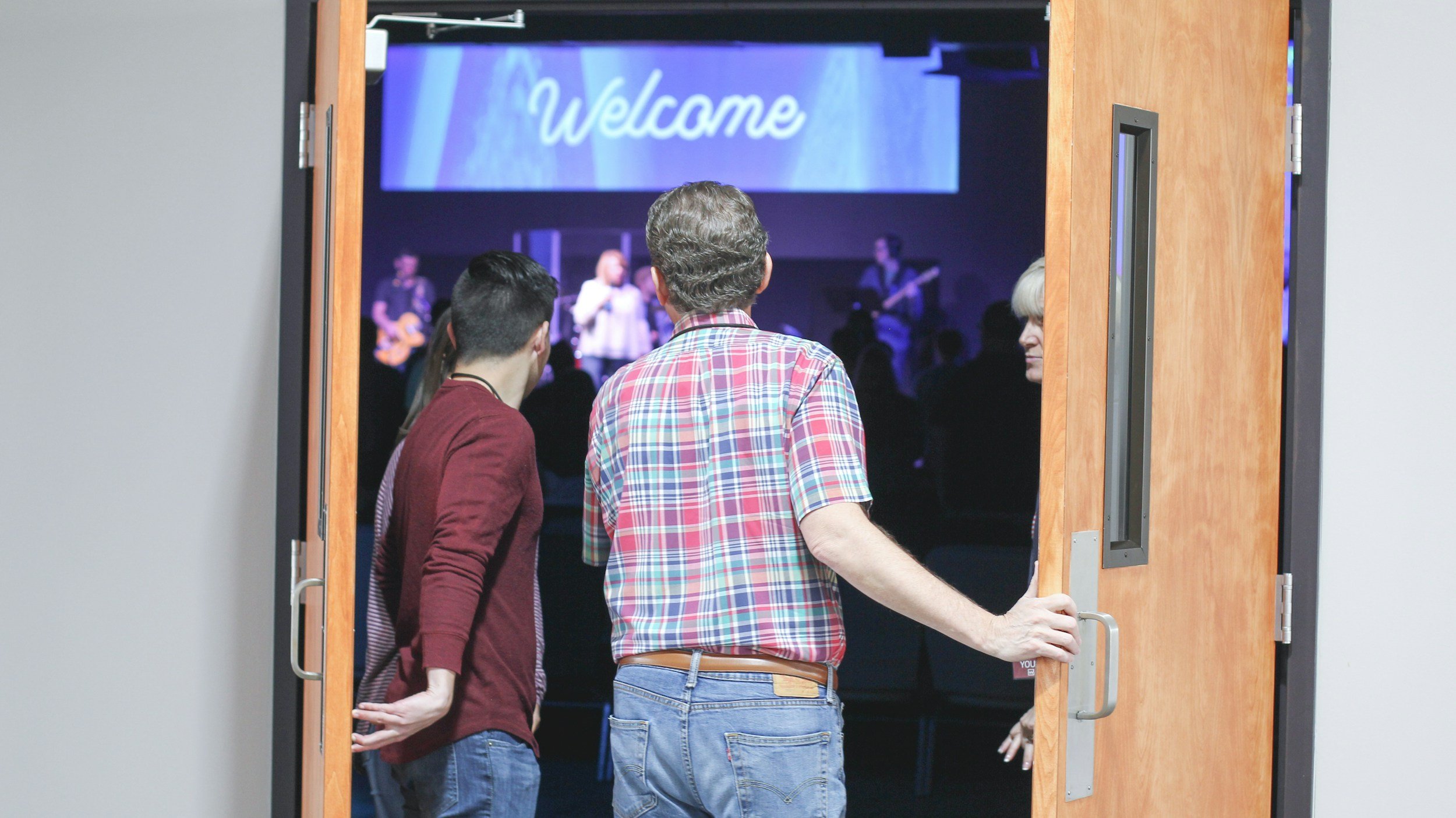
Welcoming Gen Z and Millennials requires more than a friendly greeting at the door. Hospitality must be holistic and intentional. Younger generations are highly attuned to whether a space feels genuine. They value environments where they can ask honest questions without judgment. Churches can respond by:
Creating spaces for dialogue rather than just instruction
Training leaders to listen well, not just teach
Ensuring newcomers can easily find connection points beyond Sunday services
Hospitality also extends into digital spaces. For many, the first interaction with a church happens online. A clear, transparent, and engaging digital presence is no longer optional—it is foundational.
Opportunity #2: Building Authentic Community

Gen Z and Millennials are not primarily looking for programs; they are looking for people. While large gatherings have value, smaller, relational environments are where transformation often happens. Churches can expand their ministries by prioritizing:
Small groups centered on life, Scripture, and mutual care
Intergenerational relationships that provide mentorship and wisdom
Spaces where vulnerability is normalized rather than avoided
This generation is drawn to communities that practice what they preach. Authenticity—both personal and communal—is a powerful witness.
Opportunity #3: Deepening Discipleship

Many returning young adults are spiritually curious but biblically under-formed. This presents a critical opportunity: churches can shape a new generation of deeply grounded believers. Effective discipleship for Gen Z and Millennials should include:
Clear, accessible teaching of Scripture that connects to real life
Practices that cultivate spiritual habits (prayer, Scripture reading, service)
Pathways for growth that move beyond attendance to transformation
Importantly, discipleship must be participatory. These generations do not want to be passive consumers; they want to engage, wrestle, and contribute.
Opportunity #4: Emphasizing Purpose and Mission

Younger generations are deeply motivated by purpose. They want their lives—and their faith—to matter in tangible ways. Churches can respond by:
Integrating service and justice into the life of the congregation
Providing opportunities for members to use their gifts in meaningful ways
Connecting the gospel to real-world issues without losing theological clarity
When young adults see how their faith impacts their communities and the world, their commitment deepens.
Opportunity #5: Cultivating Leadership Pathways

As Gen Z and Millennials re-engage, churches have a chance not only to disciple them but to develop them as leaders. This requires intentional investment:
Identifying and mentoring emerging leaders early
Providing real responsibility, not just symbolic roles
Encouraging innovation while grounding it in biblical truth
Empowering younger generations to lead communicates trust and fosters long-term commitment.
A Moment That Requires Intentionality

The return of Gen Z and Millennials to church is not guaranteed to last. Without thoughtful engagement, many may drift away again. But with intentionality, this moment can become a turning point.
This resurgence is not merely a trend; it is an invitation. An invitation for the church to rediscover its calling in a new cultural moment. Churches that embrace this opportunity—by welcoming authentically, discipling deeply, and empowering purposefully—will not only grow numerically but mature spiritually. They will become communities where younger generations don’t just attend, but belong, grow, and lead.
Whether your church is experiencing growth in its Gen Z and Millennial attendance or just needs more room for worship, discipleship, outreach, or even beefed-up coffee bars, Orchard Alliance can help. For more than 65 years, Orchard has been providing loans to Alliance churches to grow their ministry presence and influence. These loans are funded by people like you—people committed to seeing Christ’s work fulfilled in our neighborhoods and the nations.
To learn more about how your investments through Orchard Alliance can help Alliance churches and ministries broaden their influence and impact, click here.
Orchard Alliance exists to serve the Alliance family where faith and finance meet. We long to see Alliance people—in every stage of life—grow in their financial literacy and experience the true joy of biblical stewardship and kingdom generosity.