

Will Planning in Uncertain Times
Many people are rushing to get their wills written or updated due to the Coronavirus pandemic. It's really not surprising or odd that this is happening. I think it's a normal reaction to an abnormal situation. If this is something that's been on your heart and mind too, I want to encourage you to pause for a moment before you pick up the phone and call an attorney.

POST? -- The SECURE Act: Elimination of the “Stretch IRA” (Part 2)
With few exceptions, the SECURE Act effectively eliminates “Stretch IRA” plans. Another change in 2020 is the elimination of longstanding provisions allowing non-spouse beneficiaries who inherit traditional IRA and retirement plan assets to spread distributions—and therefore the tax obligations associated with them—over their lifetimes.

POST? -- Recent Legislation That Could Impact Your IRA (Part 1)
Before my last blog post on January 14, the Setting Every Community Up for Retirement Enhancement (SECURE) Act was signed into law on December 20, 2019. It represents the most sweeping set of changes to retirement legislation in more than a decade.

How to Prepare for a Church Building Project: Part 5 of 5
The design phase of a church building project is, perhaps, the most daunting part of the entire process. What is accomplished during this phase will impact your church for decades. Assuming you have followed the preliminary steps laid out parts 1-4 of this blog series, it’s time to select an architect.

Planned Giving Should No Longer Be Just a Consideration
In my last blog series, I discussed why planned giving is essential to ministries—today and in the future. This fact is becoming increasingly apparent as we learn more about donors’ giving tendencies. Studies have found that major gifts are outpacing smaller donations across the board. So, now more than ever, it’s essential for your church or ministry to have an established planned giving program so you can accept these larger gifts.
How to Prepare for a Church Building Project: Part 4 of 5
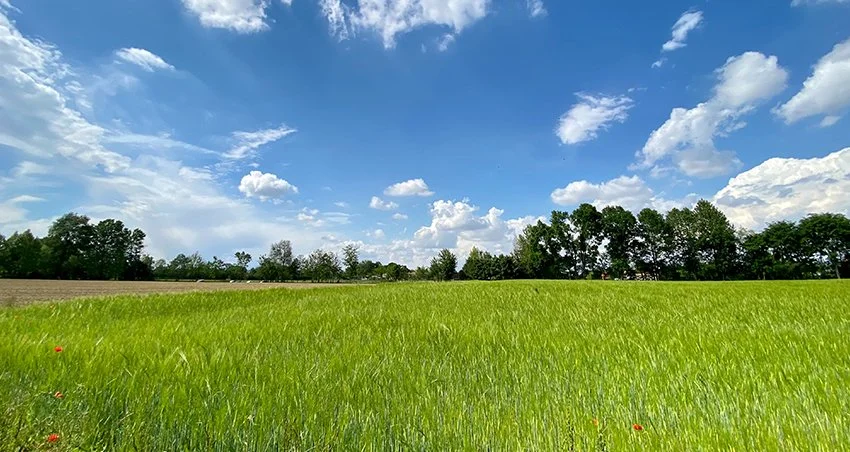
If your church is planning to move to a new location, choosing the site is obviously one of the biggest decisions you will make. We’ve all heard it said that the three most important considerations in real estate are “location, location, location,” and it’s true—even for a church. There are six factors to consider when choosing a site for your church: visibility, accessibility, the neighborhood, demographics, zoning, and buildability.

Giving Thanks at Year-End
Thanksgiving is a great time to stop and think about thankfulness and generosity. These two things go hand-in-hand. As we give thanks to the Lord for His many blessings, it should remind us to be generous with all He has entrusted to us.

How to Prepare for a Church Building Project: Part 3 of 5
“Preparing to plan” sounds a bit redundant, but there are important steps your church should take before you begin the planning phase of a building project. First, you must have a clearly articulated vision and mission for the project, with everyone on board. Too many churches build as a “kneejerk” reaction to a need for space rather than a vision-driven desire to minister more effectively.

How to Prepare for a Church Building Project: Part 2 of 5
Finances may be the biggest hurdle to overcome with a potential building project. Fortunately, you don’t need to have a specific project in mind to begin to conquer this challenge. Even if you are a decade away from building, there are important steps you can begin right away—steps that will set you up for future success.
A Heart for the Nations Finds Them - in Atlanta
How many cultures live within one mile of your home or office? How many of those cultures represent unreached people groups? For Pete Brokopp and the Envision Atlanta team, the answer is over 180 cultures and more than 90 unreached people groups.

How to Prepare for a Church Building Project: Part 1 of 5
If your church is leasing its worship property, eventually you will almost certainly consider whether it would be better to purchase your own building. Many factors will influence your decision, from building equity to ministry function to location to monthly costs. Perhaps you are convinced that your church will never want to own a building. If that’s you, experience tells me you may change your mind as your church grows and time passes.

Why Planned Giving is Essential to Your Ministry Today and in the Future - Part 3 of 3
In parts one and two of this series, we learned that 90 percent of people’s wealth is in non-cash assets and $41 trillion worth of assets are currently being transferred by baby boomers. What this means to you is that now is the time to act. Now is the time to make sure those who support your ministry are aware of the many giving options available to them during this wealth transfer— and to ensure you are equipped to receive these types of gifts.

Why Planned Giving is Essential to Your Ministry Today and in the Future - Part 2 of 3
In my last blog post, I explained that your supporters typically have 10 percent of their wealth in liquid assets—such as checking and savings accounts—and 90 percent in non-cash assets like real estate, wills, stocks, IRAs, etc. So, how do you address this 90 percent and provide other ways to give to the Kingdom?

Why Planned Giving is Essential to Your Ministry Today and in the Future - Part 1 of 3
Whether you’re a church or another ministry, chances are you rely on the generosity of your supporters to sustain your work. While the weekly offering plate or cash donations help keep the lights on, those gifts really represent funds from only 10 percent of a person’s wealth.

A Child Called Ministry
While Scripture doesn’t clearly state that you should make charitable gifts from your estate, God has called you to support your church and other ministries during life. A great way to accomplish this is through your estate plan. Giving from your estate often provides an opportunity to make the largest gift to the Lord’s work you’ll ever make.

Pros and Cons of Using Volunteer Labor on Your Church’s Project
During the early stages of a church building project, it can be easy to become overwhelmed by the expense. Even when your plans are finalized and construction is about to begin, you may find yourself looking for more ways to cut costs—as many churches do. You have probably “value engineered” your building to save as much money as possible, yet you may still need to think creatively about other ways to lower your construction costs.
Is Your Church Building an Asset or a Liability?
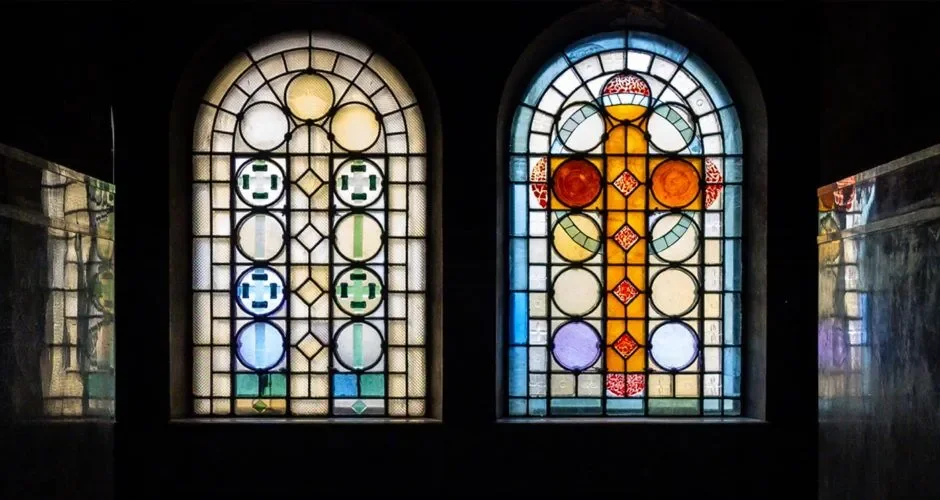
What is the value of your church building to your ministry? It seems like a very basic question, and if you currently have a building, you’d likely say it plays an important part in your ability to carry out ministry. If you are part of a mobile congregation that leases space, you may recognize the value of a building more than anyone…

Creating a Family Legacy of Generosity
Have you ever wished you could do more to inspire your adult children to be generous and engage them in the Lord’s work? Scripture is clear that God wants us to be generous and do good works (1 Tim. 6:17–19, 2 Cor. 9:6–15)…
For Christ and for the Community
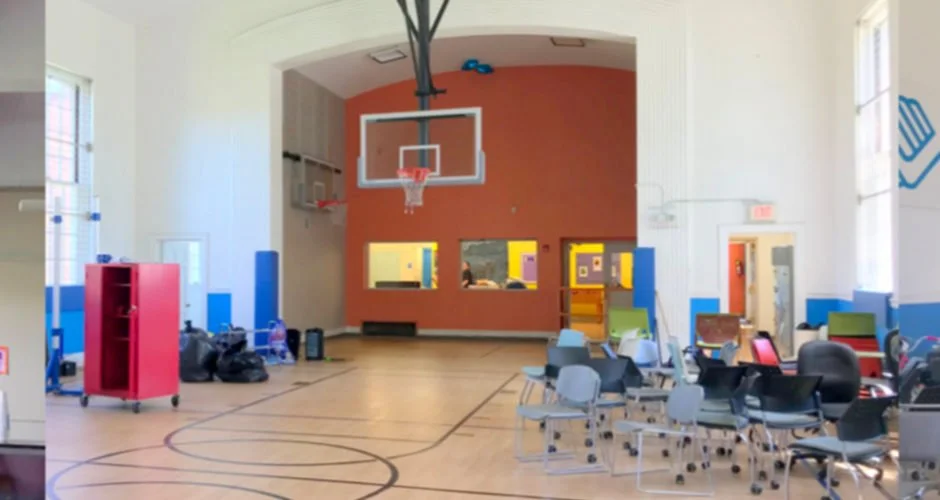
Since its beginnings in 2011, Christ Community Church of Cleveland Heights, Ohio, has focused on the Person of Jesus and the concept of living in connection with other believers for fellowship, growth, and accountability. Those two priorities—Christ and community—are so important to the congregation that they form the church’s name.
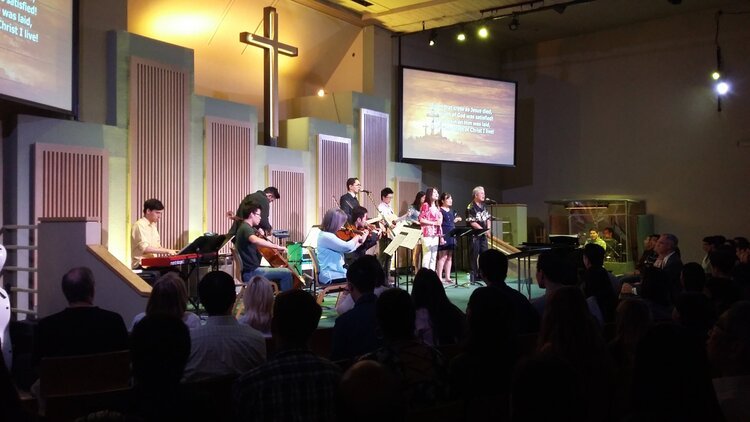
Dreaming Big for God's Glory
When four English-speaking Asian American families founded Community Christian Alliance Church (CCAC) in the Los Angeles suburb of Northridge, California 42 years ago, they believed that God was calling them to minister specifically to Asian immigrants…