Managing Debt
Debt may feel overwhelming, but it doesn’t have to define your story.
The Quiet Creep of Debt
Debt rarely arrives with loud alarms. More often, it creeps in quietly—through small decisions, cultural pressure, and seemingly harmless conveniences. A credit card used for emergencies becomes a regular tool. A car payment replaces a paid-off vehicle. A small balance becomes a larger one. Over time, what once felt manageable can grow into a heavy burden.
Most people who struggle with debt did not wake up one day and decide to become financially trapped. Instead, it usually grows through gradual compromise:
“I’ll pay it off next month.”
“Everyone has a car payment.”
“I deserve this after working so hard.”
Modern culture normalizes borrowing. Financing is offered everywhere—from homes and cars to phones and furniture. Payments are framed in small monthly amounts rather than total cost. Because of this, it becomes easy to accumulate obligations without feeling the full weight of them.
Over time, however, these commitments begin to stack up. What once felt like manageable payments can slowly consume income, peace of mind, and flexibility.
From a Christian perspective, debt is more than a financial issue—it can become a spiritual obstacle. When unmanaged, it can slowly enslave the heart, restrict generosity, and limit a believer’s ability to follow God’s purposes with freedom. The Bible addresses this dynamic directly in Proverbs 22:7: “The borrower is servant to the lender.”
This verse does not say borrowing is automatically sinful, but it clearly warns about the power dynamic it creates. Debt places a form of control in the hands of another party. When payments dominate our finances, they begin to dictate our choices.
How Debt Enslaves the Heart
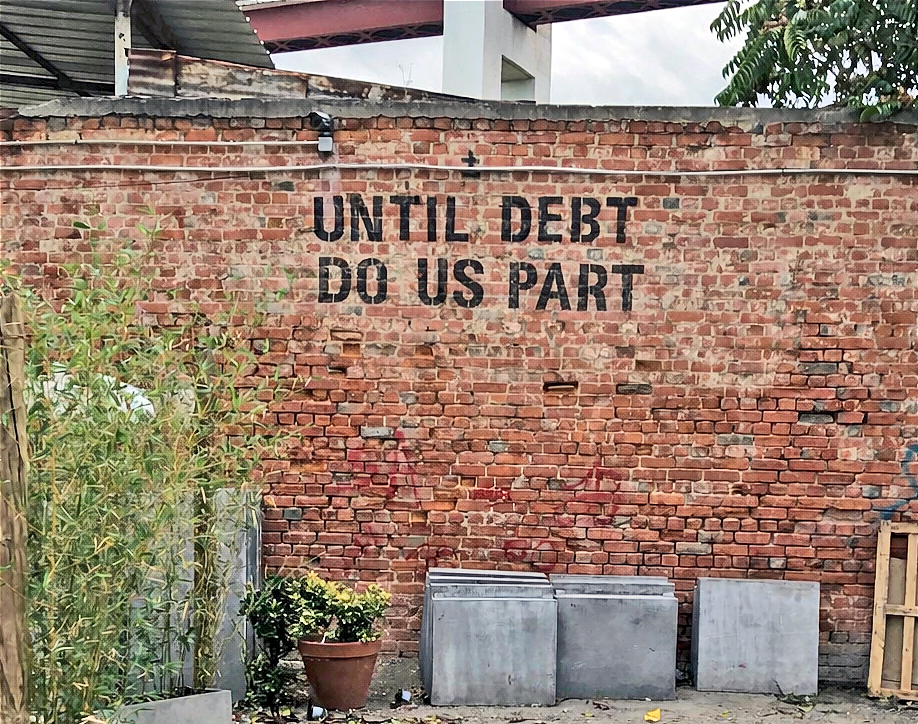
Debt can enslave people in several subtle but powerful ways:
1. It Creates Constant Pressure
Financial obligations bring stress. Many people live with a quiet, ongoing anxiety about bills, interest, and due dates. This pressure can affect marriages, sleep, and spiritual focus. Instead of living with peace, many believers carry financial worry that distracts them from trusting God.
2. It Limits Generosity
One of the clearest spiritual consequences of debt is its impact on generosity. Christians are called to give freely—to support ministry, help those in need, and advance the work of God’s kingdom. But when large portions of income are committed to lenders, generosity becomes difficult. Many believers say, “I would love to give more, but I can’t afford it.” Often the problem is not lack of income but lack of financial freedom.
3. It Reduces Flexibility to Follow God
God sometimes calls people to step out in faith—whether that means supporting a ministry, taking a lower-paying job that aligns with calling, helping family, or serving in missions. Debt can make obedience harder. When someone is financially stretched, even good opportunities may feel impossible. Instead of asking, “What does God want me to do?” people are forced to ask, “What can I afford to do?”
Practical Steps to Avoid Debt

Avoiding debt requires intentional habits. Here are several practical steps that help protect financial freedom.
1. Practice Contentment
Contentment is a powerful defense against unnecessary debt. When believers learn to be satisfied with what they have, they resist the constant pressure to upgrade their lifestyle. Contentment does not mean avoiding all progress—it means refusing to chase status or possessions that do not truly matter.
2. Live Below Your Means
One of the simplest financial principles is also one of the most powerful: spend less than you earn. This margin creates breathing room for savings, generosity, and future needs. Without margin, even small financial shocks can push people into borrowing.
3. Save for Emergencies
Many people go into debt because they are unprepared for unexpected expenses. Building an emergency fund—even a small one—can prevent reliance on credit cards or loans when life happens.
4. Delay Purchases
Time is a powerful filter for spending decisions. If you feel the urge to buy something expensive, wait. Give yourself days or weeks before making the decision. Often, the desire fades, revealing that the purchase was not truly necessary.
5. Avoid Lifestyle Inflation
When income increases, many people immediately increase spending. A better approach is to maintain your lifestyle while using the extra income to save, invest, give, or eliminate debt.
Practical Steps to Getting Out of Debt

For those already carrying debt, freedom is still possible. The process requires discipline and persistence, but many people have walked this road successfully.
1. Face the Numbers Honestly.
The first step is clarity. List every debt, including:
Total balance
Interest rate
Minimum payment
Seeing the full picture can feel intimidating, but it replaces fear with a clear starting point.
2. Create a Simple Budget.
A budget is simply a plan for your money. Assign every dollar a purpose—housing, food, transportation, giving, saving, and debt repayment. A clear plan prevents money from disappearing into small, unnoticed expenses. (See last week’s article for more information and links.) [Add link here.]
3. Focus on One Debt at a Time.
Many people use either the snowball method (paying off the smallest debt first) or the avalanche method (paying off the highest interest rate first). Both approaches work. The key is focus—attack one debt aggressively while making minimum payments on the others.
4. Increase the Gap Between Income and Spending.
Debt freedom accelerates when people increase the difference between what they earn and what they spend. This might involve:
Cutting unnecessary expenses
Selling unused items
Taking temporary extra work
Redirecting bonuses or tax refunds toward debt
These steps may feel uncomfortable in the short term, but they create long-term freedom.
5. Stay Spiritually Grounded.
Financial progress is not just about math—it is about the heart. Prayer, gratitude, and community support help believers stay focused on the bigger goal: living in freedom so they can serve God and others.
Faith & Finance Perspective
When believers are financially free, their lives become more flexible for God’s purposes. They can give generously. They can respond to needs quickly. They can pursue opportunities without being constrained by overwhelming obligations.
Financial freedom does not guarantee spiritual faithfulness, but it removes barriers that often limit it. Debt may creep in quietly, but freedom can grow steadily through wisdom, discipline, and trust in God.
And with each step toward freedom, believers move closer to a life marked not by financial bondage—but by generosity, peace, and purposeful stewardship.