
Rainy Days and Real Life: Why Emergency Funds Matter
For many younger Christians, the early years of adulthood are marked by transition—new jobs, new cities, student loans, rent payments, and big financial decisions made for the first time. In the middle of all this uncertainty, one simple practice can bring stability, peace, and freedom: building an emergency fund.
An emergency fund is not about fear, lack of faith, or hoarding money. Properly understood, it is an act of biblical stewardship—a way of preparing wisely so that financial stress does not dictate our decisions or compromise our ability to live faithfully.
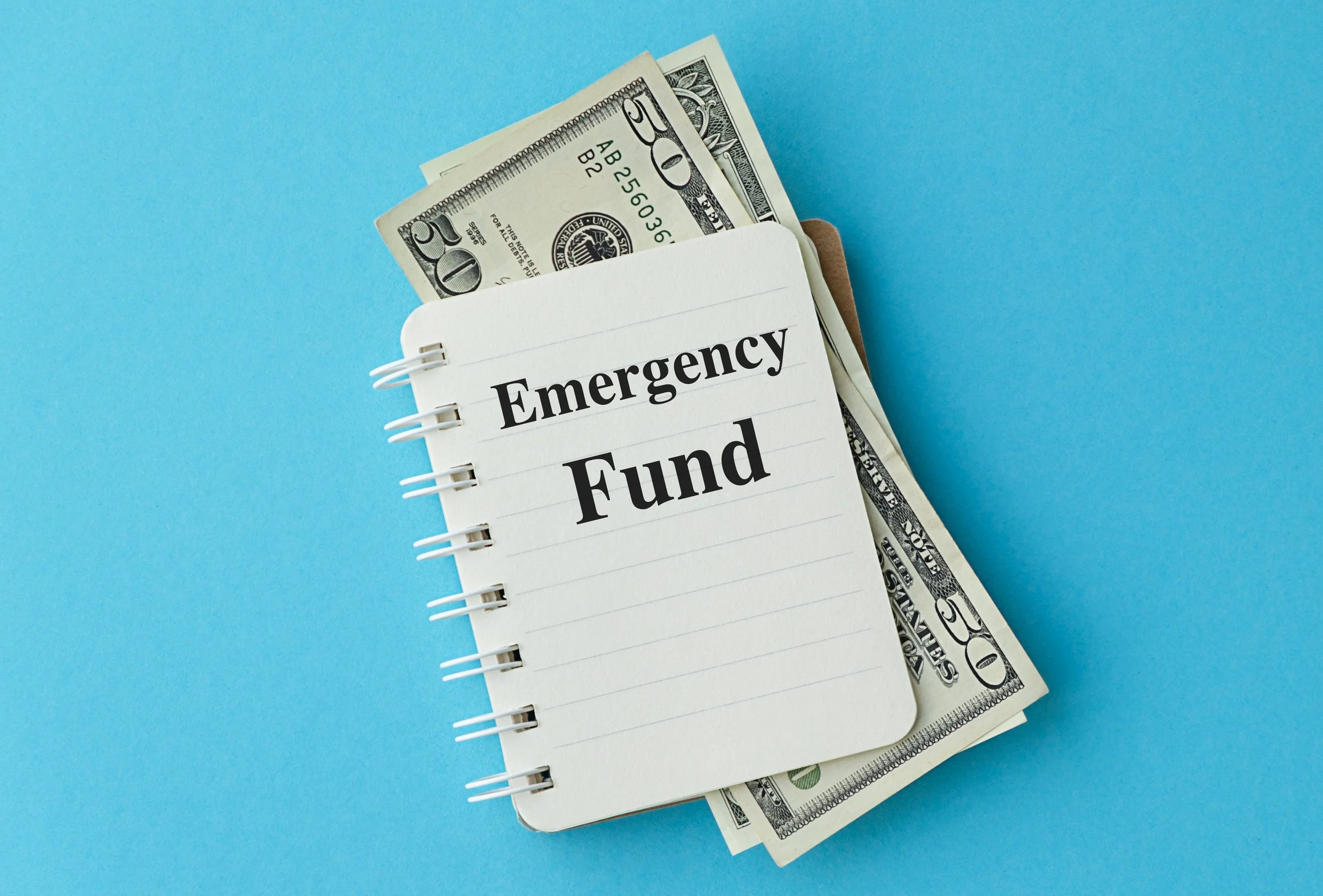
What Is an Emergency Fund?
An emergency fund is money set aside specifically to cover unexpected but necessary expenses, such as:
Medical bills
Car repairs
Sudden job loss or reduced hours
Emergency travel for family needs
Essential home or apartment repairs
It is not for vacations, upgrades, or impulse purchases. Its purpose is to provide margin—space to breathe when life does not go according to plan.
Scripture affirms the wisdom of preparation:
“The prudent see danger and take refuge, but the simple keep going and pay the penalty.” (Proverbs 22:3)
Emergency Funds and Faith: Not a Lack of Trust
Some Christians struggle with the idea of saving, wondering whether it shows a lack of faith in God’s provision. But Scripture consistently praises wisdom, planning, and foresight.
Joseph stored grain during years of abundance to prepare for famine (Genesis 41). Proverbs commends the ant for storing provisions in season (Proverbs 6:6–8). Jesus Himself spoke about counting the cost before building (Luke 14:28).
Saving for emergencies is not trusting money instead of God—it is using the resources God has already provided with wisdom.
An emergency fund allows us to respond to crises with prayerful calm rather than panic-driven decisions.
Why Emergency Funds Matter
They Prevent Debt. Without savings, emergencies often lead to high-interest credit cards or loans. Debt can quickly become a burden that limits generosity, freedom, and peace. As Proverbs 22:7 reminds us, “The borrower is servant to the lender.” An emergency fund acts as a shield against unnecessary debt.
They Protect Your Witness. Financial crises can pressure believers into unethical choices, unhealthy work situations, or constant anxiety. Stability allows us to live with integrity and confidence.
They Enable Generosity. When every dollar is already spoken for, generosity becomes difficult. Emergency savings give you the freedom to help others without jeopardizing your own needs.

How Much Should You Save?
For young adults just starting out, the goal is not perfection—it is progress.
Step 1: Start Small. Aim for an initial goal of $500–$1,000. This alone can cover many common emergencies and break the paycheck-to-paycheck cycle.
Step 2: Build Toward 3–6 Months of Expenses. Over time, work toward saving enough to cover three to six months of essential living expenses (rent, food, utilities, insurance, transportation). The exact number depends on:
Job stability
Health and insurance coverage
Whether you support others
Your overall risk tolerance
Where Should an Emergency Fund Be Kept?
An emergency fund should be:
Safe—not invested in stocks or volatile assets (or kept under a mattress)
Accessible—available within a day or two
Separate—from everyday spending money
A high-yield savings account is often ideal. The goal is not high returns, but reliability and peace of mind.
How to Build an Emergency Fund on a Tight Budget
Treat It Like a Bill. Pay yourself first—even if it’s $25 or $50 a month. Consistency matters more than amount.
Use Windfalls Wisely. Tax refunds, bonuses, or gift money can accelerate progress without affecting daily cash flow.
Avoid the “All or Nothing” Trap. Saving a little is far better than saving nothing. God honors faithfulness in small steps. “Whoever can be trusted with very little can also be trusted with much.” (Luke 16:10)
When Should You Use Your Emergency Fund? Use it only for:
Unplanned expenses
Necessary expenses
Urgent expenses
. . . and be sure to make replenishing the fund a priority!

Balancing Saving and Generosity
Young Christians often ask whether they should give while building an emergency fund. Scripture encourages both generosity and wisdom. Giving shapes the heart; saving provides stability.
The balance may look different in each season, but generosity does not require financial recklessness—and prudence does not excuse a closed heart.
“Each of you should give what you have decided in your heart to give, not reluctantly or under compulsion.” (2 Corinthians 9:7)
Faith & Finance Perspective
An emergency fund will not eliminate hardship, but it can reduce fear. It creates space to pray, to choose wisely, and to respond faithfully when challenges come.
For young Christians seeking to establish themselves financially, an emergency fund is not just a financial strategy—it is a spiritual discipline rooted in stewardship, trust, and peace. By preparing wisely today, you position yourself to live generously, courageously, and faithfully tomorrow.
“The plans of the diligent lead surely to abundance, but everyone who is hasty comes only to poverty.”
- Proverbs 21:5